
Table of Contents
Travel has become much more than simply moving from one destination to another. Today, people want meaningful experiences, convenient planning, useful information, and memorable moments. This is where the idea of triips becomes interesting. Whether someone is planning a short weekend escape, a family holiday, a business journey, or a longer international adventure, modern travelers increasingly rely on digital tools and online resources to organize their trips.
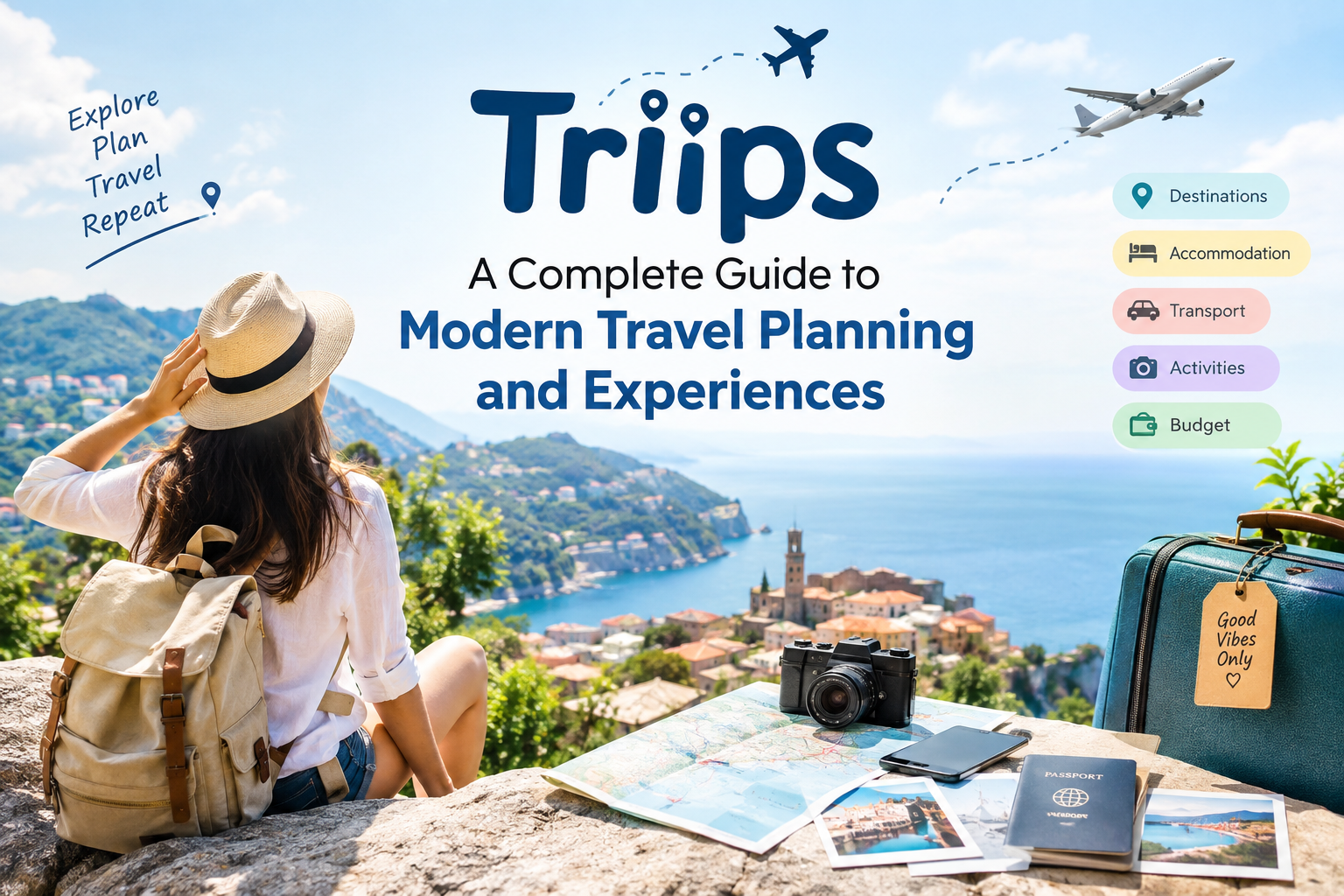
The keyword triips can be associated with the broader concept of modern travel planning, where destinations, transportation, accommodation, activities, budgets, and personal preferences come together in one travel experience. Instead of treating travel as a simple checklist, this approach focuses on creating a smoother and more personalized journey.
In this guide, we will explore the meaning and concept behind triips, how modern travelers can plan better journeys, what makes a travel experience successful, and how technology is changing the way people discover and organize destinations.
Understanding Triips in the Modern Travel World
The way people travel has changed dramatically over the last few years. In the past, travelers often depended on printed guides, travel agents, brochures, or recommendations from friends and family. Today, smartphones, travel websites, maps, online reviews, and digital booking platforms have made travel planning much more accessible.

The concept of triips fits naturally into this changing environment. It represents an organized and experience-focused approach to travel where travelers can think about every important part of their journey before leaving home.
A modern trip may include destination research, transportation planning, hotel selection, restaurant discovery, sightseeing, entertainment, photography, shopping, and cultural activities. Good planning does not necessarily mean creating an extremely strict schedule. Instead, it means understanding your options and making informed decisions.
For travelers, this approach can reduce unnecessary stress and help them spend more time enjoying their destination.
Why Travel Planning Matters
A successful journey usually starts before the traveler reaches the destination. Planning helps identify possible problems and provides a general structure for the experience.
For example, someone traveling internationally may need to consider passport requirements, visas, travel insurance, local transportation, currency exchange, weather conditions, and accommodation. A traveler going on a domestic weekend trip may only need transportation, a hotel, activities, and a basic budget.
The important point is that every journey is different.
With triips, travelers can think about their personal requirements instead of following a one-size-fits-all travel plan. A solo traveler may prefer flexibility and exploration, while a family may prioritize comfort and convenient locations.
Planning also helps travelers control their spending. By researching accommodation, transportation, attractions, and food prices beforehand, it becomes easier to establish a realistic budget.
Choosing the Right Destination
Destination selection is one of the most exciting parts of travel planning. There are thousands of cities, islands, mountain regions, beaches, historical locations, and cultural destinations around the world.
The best destination depends on what a traveler wants from the journey.
Someone interested in history may prefer cities with museums, monuments, ancient architecture, and cultural landmarks. A nature lover might prefer mountains, forests, lakes, or national parks. Beach travelers may focus on coastal destinations, while adventure seekers may look for hiking, climbing, diving, skiing, or other outdoor activities.
When researching destinations, travelers should consider the season, local climate, transportation options, accommodation availability, and general travel costs.
The triips approach encourages travelers to connect the destination with their personal interests. This can make the journey more meaningful because the destination is selected for a reason rather than simply because it is popular.
Creating a Realistic Travel Budget
Budgeting is one of the most important parts of any journey. A beautiful travel plan can quickly become stressful if the costs are not considered carefully.
A basic travel budget may include transportation, accommodation, food, activities, shopping, travel insurance, local transportation, and emergency expenses.
It is useful to divide expenses into two categories: fixed and flexible.
Fixed expenses can include flights, hotel reservations, and prepaid tickets. Flexible expenses may include meals, shopping, entertainment, and optional activities.
Travelers should also keep an emergency amount separate from their main budget. Unexpected transportation changes, medical needs, lost belongings, or other issues can create additional expenses.
A realistic budget gives travelers more confidence and allows them to enjoy their journey without constantly worrying about money.
Finding Suitable Accommodation
Accommodation can strongly influence the overall travel experience. Travelers now have access to hotels, hostels, apartments, guesthouses, resorts, vacation rentals, and many other options.
The cheapest option is not always the best option, and the most expensive property may not be necessary either.
Location should be one of the main considerations. A hotel that is slightly more expensive but located near major attractions or public transportation may save money and time in the long run.
Travelers should also check recent reviews, cancellation policies, included facilities, check-in times, and additional charges before booking.
For families, room size and facilities may be important. Solo travelers might prioritize location and social spaces. Business travelers may focus on Wi-Fi, workspace, and transportation access.
This is another area where triips planning can help travelers match accommodation with their actual needs.
Planning Transportation
Transportation is another major part of travel.
Depending on the destination, travelers may use airplanes, trains, buses, rental cars, taxis, ridesharing services, bicycles, or public transportation.
Before traveling, it is helpful to understand how transportation works at the destination. Some cities have excellent metro and bus networks, while others are easier to explore by car.
Travelers should research airport transfers, public transportation cards, ticket systems, operating hours, and approximate travel times.
For road trips, additional factors such as fuel costs, parking, road conditions, tolls, and driving regulations should be considered.
A good transportation plan does not need to eliminate spontaneity. Instead, it provides a foundation that allows travelers to explore comfortably.
Building a Flexible Itinerary
One common travel mistake is creating an itinerary that is too crowded.
Travelers sometimes attempt to visit every attraction in a city within a few days. This can turn a relaxing vacation into a stressful race from one location to another.
A better approach is to identify the most important experiences and leave some free time.
For example, a three-day city trip might include two or three major attractions each day while keeping several hours available for restaurants, shopping, walking, photography, or unexpected discoveries.
The goal of triips planning should not be to control every minute. It should be to make sure important experiences are not missed while preserving enough flexibility to enjoy the journey naturally.
Using Technology During Travel
Technology has transformed travel planning.
Today, travelers can research destinations, compare prices, read reviews, check maps, translate languages, store digital tickets, and communicate with accommodation providers using smartphones.
Navigation applications can help travelers find restaurants, attractions, public transportation, and alternative routes. Weather applications can help people prepare for changing conditions.
Digital payment systems have also made international travel more convenient in many destinations.
However, travelers should not depend entirely on technology. Keeping copies of important documents and having access to offline maps can be useful when internet connectivity is unavailable.
Researching Local Culture
Travel becomes more rewarding when visitors understand and respect local culture.
Before visiting a new destination, travelers can research common customs, appropriate clothing, greetings, dining etiquette, public behavior, and local traditions.
Cultural awareness can prevent misunderstandings and help visitors interact respectfully with local communities.
The triips concept can therefore extend beyond transportation and sightseeing. A truly meaningful journey includes learning about the people, history, food, language, and traditions of a destination.
Discovering Local Food
Food is one of the most enjoyable parts of travel.
Instead of relying exclusively on international restaurant chains, travelers can explore local cuisine. Street food markets, traditional restaurants, family-owned cafés, bakeries, and regional specialties can provide a deeper connection with the destination.
Before trying unfamiliar food, travelers with allergies or dietary restrictions should carefully check ingredients and communicate their needs clearly.
Online reviews can help identify popular restaurants, but travelers should also consider recommendations from locals and hotel staff.
Trying local food can transform an ordinary trip into a memorable experience.
Making Travel More Sustainable
Modern travelers are increasingly interested in responsible tourism.
Sustainable travel means considering how tourism affects the environment, local communities, wildlife, and natural resources.
Travelers can support local businesses, reduce unnecessary waste, use public transportation when practical, avoid disturbing wildlife, and respect natural areas.
Choosing locally owned accommodation and restaurants can also help tourism spending remain within the local economy.
The idea of triips can therefore include not only personal enjoyment but also responsible travel habits.
Traveling as a Solo Explorer
Solo travel offers a unique level of freedom.
A solo traveler can decide where to go, what to eat, how long to stay, and which activities to experience without needing to coordinate with a group.
However, solo travelers should pay particular attention to personal safety. They should research neighborhoods, keep important documents secure, share basic travel plans with someone they trust, and remain aware of their surroundings.
Solo travel also provides opportunities to meet new people. Hostels, group tours, workshops, cultural events, and local activities can make it easier to connect with other travelers.
Family Travel Planning
Family trips require additional planning because different age groups often have different needs.
Parents may need to consider child-friendly accommodation, meal options, transportation, entertainment, rest periods, and emergency facilities.
Young children may not be comfortable with long walking tours or packed schedules. Including breaks can make the experience easier for everyone.
Families should also keep essential medicines, documents, snacks, water, and emergency contact information accessible.
A flexible triips plan can help families balance sightseeing with relaxation.
Travel for Adventure Seekers
Adventure travel attracts people who want more than traditional sightseeing.
Activities may include hiking, camping, kayaking, scuba diving, skiing, cycling, climbing, or wildlife exploration.
Adventure activities require additional preparation. Travelers should understand weather conditions, physical requirements, equipment needs, local regulations, and safety procedures.
Professional guides may be necessary for activities involving technical skills or unfamiliar environments.
The purpose of adventure travel should be to create exciting memories while managing avoidable risks responsibly.
Importance of Travel Documents
Travel documents should always be checked before departure.
Depending on the destination, travelers may need passports, visas, identification documents, hotel confirmations, travel insurance information, vaccination records, driving permits, or other documentation.
International travelers should check official government sources for current entry requirements because rules can change.
For general travel information, travelers can also consult reputable resources such as the official tourism information provided by the United Nations World Tourism Organization.
Keeping digital and physical copies of essential documents can provide additional security.
Making the Most of Short Trips
Not every journey needs to last a week or a month.
Short trips can be highly enjoyable when planned carefully.
A weekend journey might focus on one city, a nearby natural attraction, a cultural site, or a relaxing resort. Instead of trying to see everything, travelers can select a small number of experiences.
Short trips can also be useful for people who have limited vacation time.
The triips approach encourages travelers to focus on quality rather than simply counting the number of destinations visited.
Long-Term Travel
Long-term travel requires a different planning strategy.
Travelers staying away from home for several weeks or months may need to think about accommodation flexibility, laundry, communication services, banking, insurance, transportation between destinations, and work requirements.
Digital nomads may also need reliable internet and suitable workspaces.
Long journeys should include rest days because continuously moving between destinations can become exhausting.
Creating a broad route while leaving room for changes can make long-term travel more enjoyable.
Travel Photography and Memories
Photography has become an important part of modern travel.
Smartphones allow travelers to capture high-quality images without carrying professional camera equipment.
However, travelers should remember that photography should not replace the actual experience.
Sometimes the most memorable moments happen when people put their phones away and simply enjoy the surroundings.
Keeping a travel journal can also be a valuable way to preserve memories. Travelers can record places they visited, foods they tried, people they met, and lessons they learned.
Read more about: gizmo ai
How to Avoid Common Travel Problems
Even carefully planned journeys can experience unexpected problems.
Flights can be delayed, weather can change, hotels can have issues, and transportation schedules can shift.
The best way to manage these situations is to maintain flexibility.
Travelers should avoid planning important activities too close to arrival times. Keeping a backup transportation option or alternative activity can also help.
Emergency contacts, travel insurance information, and important documents should remain accessible throughout the journey.
The Role of Online Reviews
Online reviews can be useful when selecting hotels, restaurants, tours, and attractions.
However, reviews should be evaluated carefully.
One negative review does not necessarily mean a business is poor, and one extremely positive review does not guarantee a perfect experience.
Travelers should look for patterns across multiple reviews and pay attention to recent feedback.
Reviews are most useful when they provide specific information about location, cleanliness, service, facilities, or value.
Personalized Travel Experiences
Modern travelers increasingly want experiences that match their individual interests.
Instead of following a standard tourist route, someone might create a food-focused journey, photography trip, historical tour, wellness retreat, sports adventure, or cultural exploration.
Personalization is one of the most important ideas behind modern triips.
When travelers understand their own preferences, they can build journeys that feel more authentic.
A traveler who loves history does not need to spend most of the trip at nightlife venues. Likewise, someone who prefers relaxation does not need to create an itinerary packed with adventure activities.
Planning Without Overplanning
There is a balance between preparation and spontaneity.
Too little planning can create unnecessary problems, while too much planning can make a journey feel rigid.
A practical solution is to plan essential elements such as transportation, accommodation, important reservations, and major attractions while leaving free time for spontaneous discoveries.
This balance allows travelers to feel prepared without losing the excitement of exploration.
Why Triips Can Be a Useful Travel Concept
The value of triips lies in the broader way travelers can think about their journeys.
Travel is not only about reaching a destination. It includes everything from the first research session to the journey home.
Good travel planning connects destination selection, budget, transportation, accommodation, activities, culture, food, safety, and personal preferences.
When these elements work together, travelers can create experiences that are more comfortable and memorable.
Final Thoughts on Triips
Travel continues to evolve as technology, transportation, online information, and changing lifestyles influence the way people explore the world. The concept of triips reflects this modern approach by focusing on organized planning, personalized experiences, flexibility, and responsible exploration.
Whether someone is preparing for a short weekend escape, an international vacation, a family holiday, a solo adventure, or a long-term journey, thoughtful preparation can make a significant difference.
The most successful journeys are not necessarily the ones with the largest number of destinations. They are often the journeys where travelers have enough time to appreciate their surroundings, connect with local culture, discover new experiences, and create lasting memories.
Ultimately, triips can be viewed as a modern way of thinking about travel: research when necessary, plan the essentials, stay flexible, respect the destination, and make every part of the journey meaningful.