
Table of Contents
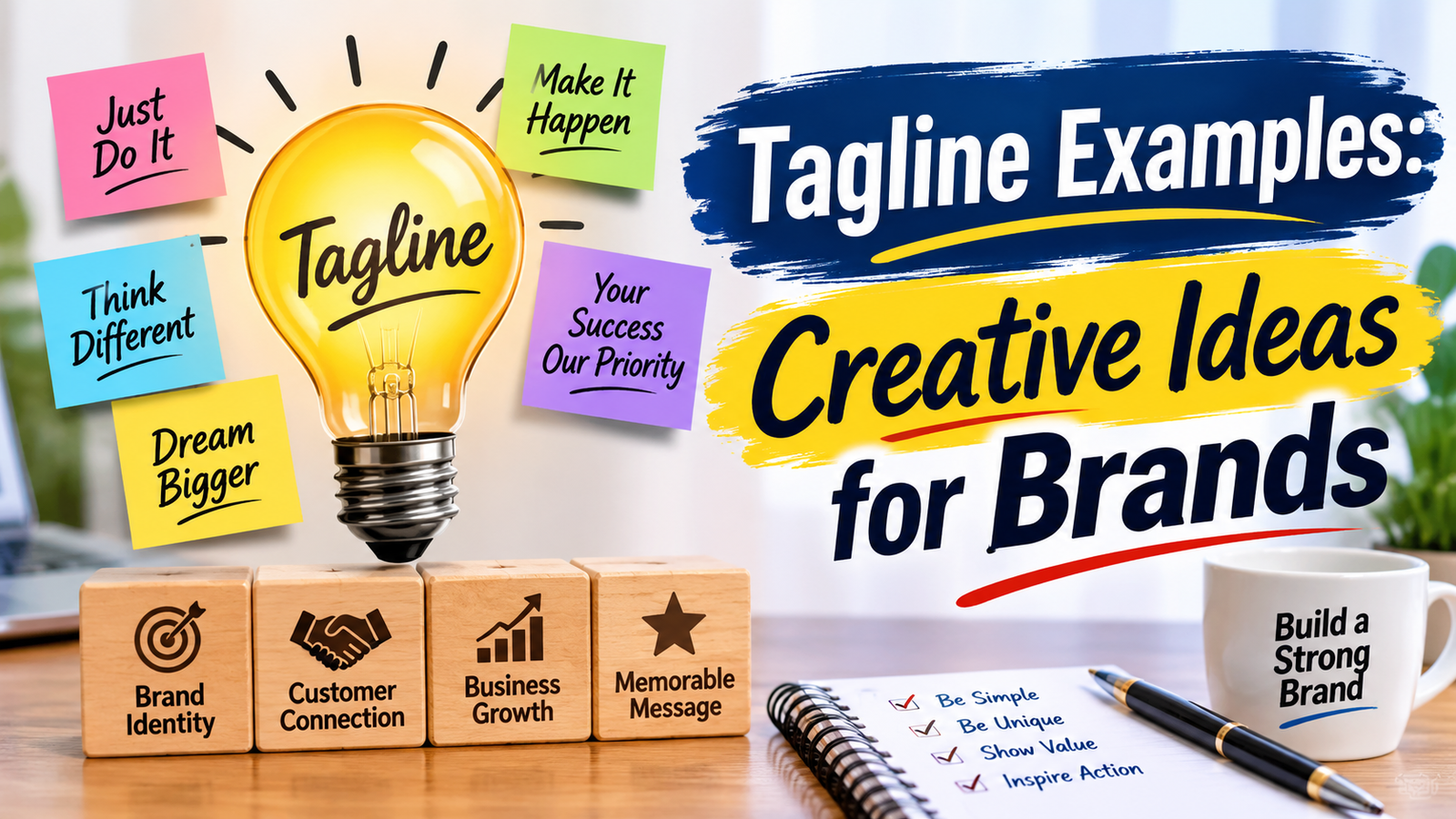
Tagline examples are useful for businesses, entrepreneurs, marketers, and content creators who want to build a recognizable brand identity. A tagline is a short and memorable phrase that communicates what a business represents, what it offers, or how it wants customers to feel. Although it may contain only a few words, a well-written tagline can make a brand easier to recognize and remember.
In today’s competitive digital marketplace, businesses need more than an attractive logo and professional website to establish their identity. They also need clear messaging that communicates their values and creates a connection with their target audience. This is where creative tagline examples become valuable. They provide inspiration for developing meaningful phrases that reflect a company’s personality and purpose.
From small online businesses to international companies, taglines are commonly used in advertisements, websites, product packaging, social media profiles, and promotional campaigns. A successful tagline does not need complicated vocabulary or lengthy explanations. Instead, it should communicate one important idea in a simple and memorable way.
This guide explores different tagline examples, their importance, popular categories, business applications, and practical methods for creating original brand messages.

What Is a Tagline?
A tagline is a short statement that represents the identity, personality, or central promise of a brand. It usually appears alongside a company name or logo and helps audiences understand what makes the business recognizable.
For example, Nike uses the famous phrase “Just Do It” to communicate motivation, confidence, and action. The message is simple, but it connects with the company’s identity and athletic audience.
Taglines can communicate several things, including a company’s values, product benefits, customer experience, or overall mission. Some focus on emotional connections, while others explain the practical benefits of a product or service.
When exploring tagline examples, it is important to understand that a tagline is not simply a random collection of attractive words. It should have a clear purpose and represent something meaningful about the organization.
A good tagline also works across different marketing platforms. Businesses can use the same phrase on their websites, social media accounts, advertisements, and printed materials to maintain consistent brand communication.
Why Are Taglines Important for Businesses?
A memorable tagline can support brand recognition and make marketing communication more effective. When customers repeatedly see a meaningful phrase connected with a company, they may begin associating those words with its products, services, and identity.
One important benefit is brand differentiation. Businesses operating in similar industries often provide comparable products or services. A distinctive tagline can help communicate what makes one company different from its competitors.
Another advantage is improved communication. Instead of explaining an entire business model in several sentences, a short tagline can introduce its central idea. This is especially helpful for new companies that want potential customers to understand their purpose quickly.
Taglines can also create emotional connections. Words associated with trust, confidence, creativity, convenience, and happiness can influence how people perceive a brand.
For digital businesses, consistent taglines can strengthen messaging across websites, landing pages, email campaigns, and social media profiles. However, a tagline alone cannot guarantee sales, customer loyalty, or search engine rankings. It works best as part of a broader branding and marketing strategy.
Different Types of Taglines
Understanding different tagline styles makes it easier to select the right message for a business. Each category communicates a particular type of brand personality or customer benefit.
Descriptive Taglines
Descriptive taglines explain what a business does or what customers can expect from its products and services. They are especially useful for startups, professional services, and companies introducing unfamiliar products.
For example, a digital marketing agency might use “Growing Brands Through Smarter Marketing.” This phrase communicates the business’s purpose without requiring a lengthy explanation.
Other original descriptive tagline examples include “Technology Made Simple,” “Your Partner in Digital Growth,” and “Creative Solutions for Modern Businesses.”
These taglines work well because they communicate a recognizable service or benefit. They are particularly useful when clarity is more important than wordplay.
Emotional Taglines
Emotional taglines focus on feelings and experiences rather than technical product details. They encourage customers to connect with a brand through happiness, confidence, comfort, inspiration, or belonging.
For example, a family photography business might use “Turning Moments Into Memories.” This message communicates an emotional benefit instead of simply describing photography services.
Additional emotional tagline examples include “Make Every Moment Matter,” “Confidence Starts Here,” and “Creating Happiness Every Day.”
Emotional messaging can be particularly effective in industries such as travel, fashion, beauty, hospitality, and lifestyle products.
Imperative Taglines
Imperative taglines encourage audiences to take action. They often begin with a command or motivating statement that makes the message direct and energetic.
Nike’s “Just Do It” is a well-known example of this approach. It encourages action while reflecting the brand’s association with sports and personal achievement.
Other creative imperative tagline examples include “Discover Your Potential,” “Build Something Better,” and “Start Your Journey Today.”
This style is useful for fitness brands, educational platforms, technology companies, and businesses that want to motivate their audiences.
Aspirational Taglines
Aspirational taglines communicate progress, ambition, and future possibilities. They are designed to connect a brand with the goals customers want to achieve.
Examples include “Dream Bigger, Achieve More,” “Your Future Starts Today,” and “Turning Ambitions Into Achievements.”
These messages can work well for educational institutions, career development platforms, financial services, and personal development businesses.
Clever and Creative Taglines
Creative taglines use wordplay, rhythm, unexpected expressions, or interesting combinations of words to attract attention.
For example, a coffee business could use “Wake Up to Wonderful.” A creative design studio might choose “Ideas That Make an Impression.”
Other examples include “Small Details, Big Differences,” “Fresh Thinking, Better Living,” and “Where Ideas Find Their Voice.”
The main purpose of this style is to make a brand message distinctive without making it difficult to understand.
Popular Tagline Examples From Famous Brands
Studying established companies can help new business owners understand how successful taglines communicate brand identity.
Nike’s “Just Do It” demonstrates how a short imperative statement can become strongly associated with a company’s personality.
Apple’s “Think Different” is another recognizable example. It communicates creativity, individuality, and an innovative approach to technology.
BMW’s “The Ultimate Driving Machine” emphasizes its positioning around driving performance and automotive engineering.
L’Oréal’s “Because You’re Worth It” uses emotional messaging to connect its brand with confidence and personal value.
These examples demonstrate that effective taglines do not all follow the same structure. Some use commands, others communicate emotions, and some emphasize a particular product experience.
Businesses should study these approaches for inspiration rather than copying existing brand phrases. Originality is important because a company’s tagline should represent its own identity and avoid confusion with another business.
Tagline Examples for Different Industries
Different industries require different communication styles. A tagline that works for a technology company may not be suitable for a restaurant or clothing brand.
Business Tagline Examples
Business taglines should communicate professionalism, reliability, and value. They are often used on company websites, business cards, presentations, and advertisements.
Examples include “Building Success Together,” “Your Growth, Our Priority,” “Business Solutions That Deliver,” and “Turning Vision Into Value.”
These phrases are suitable starting points for professional service providers, consultants, and growing organizations.
Technology Tagline Examples
Technology businesses often focus on innovation, simplicity, efficiency, and digital transformation.
Useful technology tagline examples include “Innovation Within Reach,” “Technology for a Smarter Tomorrow,” “Making Digital Life Easier,” and “Powering Ideas Through Technology.”
These messages can suit software companies, IT service providers, technology blogs, and digital platforms.
Fashion Tagline Examples
Fashion brands usually communicate personal style, confidence, creativity, and individuality.
Examples include “Wear Your Confidence,” “Style That Speaks,” “Express Yourself Every Day,” and “Designed for Your Lifestyle.”
A fashion tagline should reflect the company’s audience and the type of products it sells.
Restaurant Tagline Examples
Restaurants and food businesses often use taglines that communicate taste, freshness, hospitality, and memorable dining experiences.
Examples include “Fresh Flavors, Happy Moments,” “A Taste Worth Remembering,” “Made With Love, Served With Care,” and “Bringing People Together Through Food.”
These messages can work for cafes, restaurants, bakeries, and food delivery services.
Digital Marketing Tagline Examples
Digital marketing agencies need messages that communicate visibility, creativity, audience engagement, and business growth.
Examples include “Making Your Brand More Visible,” “Smarter Strategies, Stronger Results,” “Growing Businesses Through Digital Excellence,” and “Your Success in the Digital World.”
For SEO agencies, a tagline can highlight search visibility, content strategy, and online growth without promising unrealistic rankings.
How to Create a Memorable Business Tagline
Creating a tagline requires understanding the brand before selecting the words. Businesses should first identify their main purpose, target audience, and most important customer benefit.
Start by asking what the company wants customers to remember. A business offering affordable software might emphasize simplicity and accessibility, while a premium fashion company may focus on exclusivity and personal style.
Next, identify the brand personality. Is the company professional, friendly, innovative, energetic, luxurious, or creative? The language should match that personality.
Keep the message short and understandable. Although there is no universal word limit, many effective taglines use only a few words. Short phrases are generally easier to display on logos, advertisements, and social media graphics.
Focus on one central idea rather than combining multiple benefits into a single sentence. Trying to communicate everything at once can make a tagline confusing.
Originality is another important consideration. Before choosing a final phrase, search for existing businesses using similar wording. This helps reduce the possibility of brand confusion and potential trademark problems.
Finally, test the tagline in different situations. Place it beneath the company logo, display it on a website homepage, and use it in a social media profile. If the message remains clear and attractive in different formats, it may be a suitable choice.
Common Mistakes to Avoid When Choosing Taglines
One common mistake is using generic expressions that could describe almost any company. Words such as quality, excellence, and innovation can communicate positive ideas, but they become less effective when they do not explain what makes a brand different.
Another mistake is creating unnecessarily long taglines. A complicated sentence can become difficult to remember and may not fit naturally alongside a logo.
Businesses should also avoid unrealistic promises. A tagline suggesting guaranteed success or perfect results can create expectations that the company may not be able to meet.
Copying famous brand messages is another poor strategy. Even if an existing phrase sounds attractive, using a similar expression can weaken brand originality and create legal concerns.
Finally, businesses should not change their main tagline too frequently. Consistent messaging gives customers more opportunities to associate a phrase with a particular company.
Tagline Examples and Their Role in Digital Marketing
Digital marketing has changed how businesses communicate with potential customers. Today, a brand message can appear across search advertisements, social media platforms, websites, online stores, and email newsletters.
Tagline examples can provide inspiration for maintaining a consistent identity across these channels.
For example, an online clothing store might use the same tagline beneath its logo, on its homepage, and in promotional graphics. This consistency helps reinforce the company’s message.
Taglines can also support advertising creativity. A business can develop campaign headlines around its central brand message while maintaining a recognizable identity.
However, businesses should understand the difference between branding and search engine optimization. Including a tagline on a website does not automatically improve Google rankings. Search performance depends on many factors, including helpful content, technical accessibility, relevance, and overall website quality.
A clear tagline can still improve the way visitors understand a business when they arrive on its website.
Tagline vs. Slogan: What Is the Difference?
The terms tagline and slogan are frequently used interchangeably, but they can have slightly different marketing purposes.
A tagline generally represents the long-term identity or central message of a brand. It is often displayed alongside a company name and remains consistent over an extended period.
A slogan is commonly associated with a particular advertising campaign, product launch, promotion, or marketing initiative. It may change depending on the campaign.
For example, a company might maintain one permanent tagline while creating several temporary slogans for seasonal offers and promotional events.
Understanding this distinction helps businesses organize their marketing communication more effectively. A tagline establishes the overall brand message, while campaign slogans support specific promotional objectives.
The Future of Tagline Creation With AI Tools
Artificial intelligence is changing how marketers and business owners develop creative content. AI writing assistants can now generate tagline ideas, suggest alternative expressions, and help users explore different brand personalities.
Instead of spending hours brainstorming from scratch, a business owner can provide an AI tool with information about the company, audience, products, and desired tone. The tool can then suggest several creative directions.
AI-generated tagline examples can be useful for initial inspiration, particularly for startups and small businesses with limited marketing resources.
However, automatically generated phrases should not be accepted without reviewing them. AI tools may produce generic expressions, repeated ideas, or messages that do not accurately represent a company’s identity.
Human creativity, brand knowledge, and customer understanding remain important when selecting a final tagline.
Businesses should also check whether a proposed phrase is already associated with another company and consider appropriate trademark searches before using it commercially.
Read more about: bitalpha ai
Conclusion
Tagline examples provide valuable inspiration for businesses that want to create memorable brand identities and communicate their messages effectively. Whether a company needs a professional business tagline, a creative technology phrase, an emotional fashion message, or an attractive restaurant statement, the best choice should reflect its purpose and audience.
A successful tagline is generally simple, original, meaningful, and easy to remember. It should communicate one central idea rather than attempting to explain everything a business offers.
By studying different tagline styles, understanding customer expectations, and testing original ideas, businesses can develop brand messages that support long-term recognition. Ultimately, the right tagline is not simply a catchy collection of words. It is a meaningful expression of what a brand represents and the experience it wants customers to remember.